6 Steps to Building a Daily Meditation Practice
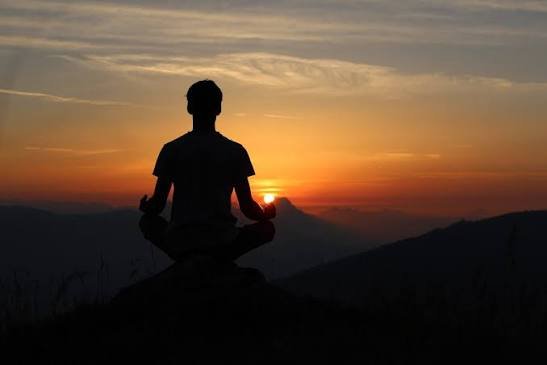
Meditation may look simple from the outside. You sit quietly, close your eyes, and focus on your thoughts or breathing. But anyone who has tried it knows that staying focused for even a few minutes can be challenging.
Building a daily meditation practice takes patience, consistency, and a little trial and error. The good news is that you don't need a special place, advanced techniques, or hours of free time to get started.
With a few simple habits, meditation can gradually become a natural part of your daily routine. Here are six practical steps to help you begin.


1. Create the Right Environment
A calm environment can make meditation much easier, especially when you're just starting out.
Choose a quiet corner of your home where you are unlikely to be disturbed. You don't need a large space—a comfortable chair, cushion, or small area on the floor is enough.
You can also create a simple ritual around your practice. Soft lighting, a scented candle, peaceful music, or a few meaningful objects can help you feel relaxed and signal that it is time to slow down.
The goal is not to create a perfect meditation room. It's simply to find a place where you can sit comfortably and focus without unnecessary distractions.
2. Find a Comfortable Posture
You may have seen pictures of people meditating in the traditional Lotus Pose. While this position can be useful, you don't have to sit in Padmasana to meditate.
Choose a posture that feels comfortable and allows you to remain alert. You can sit on a chair, sit on a cushion, or use another comfortable position that works for you.
Try to keep your back reasonably straight without making your body stiff. Your hands can rest naturally on your lap.
Remember, meditation is about developing awareness, not forcing your body into an uncomfortable position. If you're constantly thinking about physical discomfort, it becomes much harder to concentrate.
3. Choose a Time That Works for You
There is no single perfect time to meditate.
Some people prefer starting their day with a few quiet minutes of meditation, while others find it easier to meditate before going to sleep. You might also prefer practising during a lunch break or another quiet period during the day.
Instead of trying to follow someone else's schedule, choose a time that fits naturally into your routine.
Once you find a convenient time, try to stick with it. Attaching meditation to an existing habit—such as after waking up or before your evening routine—can make it easier to turn the practice into a regular habit.
4. Start With Small Goals
One of the biggest mistakes beginners make is trying to meditate for too long too soon.
You don't need to spend 30 minutes or an hour sitting in silence on your first day. Start with five minutes and gradually increase the duration as you become more comfortable.
If five minutes feels manageable, you can eventually move to 10 or 15 minutes. There is no need to rush.
The most important thing is to make meditation sustainable. A short practice that you do regularly is more useful for building a habit than a long session that you quickly abandon.
5. Stay Consistent
It's completely normal for your mind to wander during meditation.
You may start thinking about work, family, plans for the day, things that happened yesterday, or something completely random. This doesn't mean you're doing meditation incorrectly.
Instead of becoming frustrated, simply notice that your attention has wandered and gently bring it back to your breathing or chosen point of focus.
This process may happen repeatedly. That's okay.
Think of each return to your breath as part of the practice. With regular meditation, you can gradually become more aware of your thoughts and reactions without immediately getting carried away by them.
Consistency matters more than perfection.
6. Try Guided Meditation
If you're finding it difficult to meditate on your own, guided meditation can be a useful starting point.
Meditation apps and online resources can provide instructions, breathing exercises, relaxation sessions, and guided practices for different experience levels.
Some popular options include:
- Headspace – Meditation and sleep-focused practices
- Smiling Mind – Mindfulness and meditation programs
- Sadhguru – Yoga, meditation, and spirituality content
- Insight Timer – Guided meditations and mindfulness sessions
If you're using your phone, turn off unnecessary notifications and treat the device as a meditation tool rather than another source of distraction.
How to Start Meditating: A Simple 5-Minute Practice
If you're completely new to meditation, try this simple routine:
- Find a quiet place where you can relax without interruptions.
- Sit comfortably on a chair, cushion, or mat.
- Set a timer for five minutes so you don't have to keep checking the clock.
- Close your eyes and bring your attention to your breathing.
- Notice the natural rhythm of each inhale and exhale without trying to change it.
- When your thoughts wander, simply notice them and gently return your attention to your breath.
- Continue until the timer ends.
- Slowly open your eyes and take a moment to notice how you feel.
You may feel relaxed after your first session, or you may not notice much difference at all. Both experiences are completely normal. Meditation is a practice, and its effects can become more noticeable with regular use.
Make Meditation Part of Your Daily Routine
Starting a meditation practice doesn't require complicated techniques or a major change to your lifestyle. What matters most is finding a simple approach that you can continue.
Choose a comfortable place, find a suitable time, start with a few minutes, and permit yourself to have distracted thoughts. With patience and regular practice, meditation can become a useful way to pause, focus on the present moment, and develop greater awareness of your thoughts and surroundings.
The key is simple: start small, stay consistent, and give yourself time to build the habit.
Related Posts

Secret Benefits of Wearing Gemstone Beads Jewelry
This article explores the beauty, traditional significance, and believed benefits of gemstone beads jewelry. I...
 Satish Agarwal
Sep 29, 2026
Satish Agarwal
Sep 29, 2026

Top 10 Gemstones to Attract Wealth and Prosperity
This article explores the top 10 precious and semi-precious gemstones associated with wealth, prosperity, abun...
Satish Agarwal
Aug 21, 2026
Comments (0)
Log in to join the discussion.
No comments yet. Be the first to share your thoughts!